More than half of healthcare providers are out of compliance with HIPAA right of access requirements, with the most common failures revolving around a refusal to send records to patients or patients’ designees by email, according to a study and survey published by health manuscript archive company medRxiv. In the telephone survey portion of the study, it was found that almost a quarter of respondents, 24%, were potentially noncompliant with HIPPA’s fee limitations. […]
Read MoreArticles by Waste Medic
Education key to safe sharps disposal practices
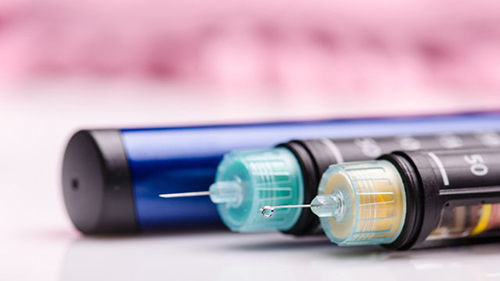
People with diabetes threw out sharps safely when they were instructed in the correct disposal method, according to findings presented at the American Association of Diabetes Educators annual meeting. “Just distributing information may not be as valuable as taking time to provide proper instruction on home sharps disposal,” Jana Wardian, PhD, MSW, research director, at the Diabetes Center of Excellence and research assistant professor at the Uniformed Services University Wilford Hall Medical Center in […]
Read MoreThe New EPA Regulation Changes Affect Optometry Practices
A set of regulatory changes from the U.S. Environmental Protection Agency will affect optometric practices and clinics starting Aug. 21, according to the American Optometric Association. Hazardous waste pharmaceutical (HWP) management standards will prohibit healthcare facilities from disposing of such wastes down the drain, AOA reports. The standards apply to all healthcare facilities, irrespective of size or waste generation. The rules are intended to “reduce the environmental and human health risks associated with […]
Read MoreThe Impact of EPA Rule on Hazardous Waste Pharmaceuticals
A new EPA rule on hazardous waste pharmaceuticals has healthcare executives rethinking their plan to dispose of drugs and hazardous waste. Among other things, these new regulations in the final rule prohibit the disposal of hazardous waste pharmaceuticals down the drain and eliminates the dual regulation of RCRA hazardous waste pharmaceuticals that are also Drug Enforcement Administration (DEA) controlled substances. The new rules also maintains the household hazardous waste exemption for pharmaceuticals collected during […]
Read MoreYour Business Can’t Afford To Ignore The Risks Of Workplace Violence Any Longer
The threat of workplace violence is a growing risk to businesses of all sizes across the United States. According to the National Safety Council, there were more than 18,000 reported cases of workplace assaults and 458 cases of workplace homicides in 2017, the latest year for which data is available. That’s an average of 49 assaults and 1.3 homicides occurring in the workplace each day. Despite this, understanding the causes of workplace violence, assessing the […]
Read MoreDisposal of Sharps: Can You Leave Them in the Bin for Central Accumulation?
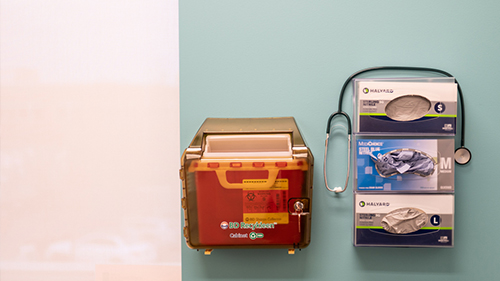
If your facility generates waste in the form of needles or other sharps, you may wonder how these sharps should be disposed of in the central accumulation area (CAA). Can they stay in their red biohazard bins with a label? We do not know of any regulations that would prohibit moving red biohazard bins containing sharps to a RCRA hazardous waste central accumulation area (CAA) provided the generator of the sharps is in compliance with […]
Read More8 Workplace Violence Prevention Strategies for Nurses
In many healthcare facilities, nurses are the employees with the most direct contact with patients. They are the ones holding a woman’s hand and providing emotional support during labor. They are the ones changing dressings and swapping out bedpans. They are the ones comforting family members during a loved one’s health battles. This also means they are often the target of patient violence. Healthcare employees, particularly nurses, are at an increased risk for workplace violence. […]
Read MoreInfection Control in Occupational Health: CDC Seeks to Update Guidelines
Late last year, the Centers for Disease Control and Prevention (CDC) sought feedback from the healthcare community on a draft guideline, Infection Control in Healthcare Personnel: Infrastructure and Routine Practices for Occupational Infection Prevention and Control Services. Specifically, the CDC is looking to “facilitate the provision of occupational infection prevention and control services to healthcare personnel and to prevent transmission of infections between healthcare personnel and others.” The CDC is updating two sections addressing protocol […]
Read MoreWe must continue to assess nurse staffing and patient safety
Among her many well-known quotes, Florence Nightingale gave us a simple but meaningful one that has resonated over the centuries: “For the sick it is important to have the best.” Then, as now, providing the best patient care calls for having the best nurses with the best training and the best staffing — also known as nurse staffing and patient safety. These three — along with advanced and continuing education, appropriate orientation and training, and good […]
Read MoreWhat to Know about New Management Standards for Hazardous Waste Pharmaceuticals
Healthcare entities are facing several changes when it comes to managing pharmaceuticals considered to be hazardous waste under the Resource Conservation and Recovery Act (RCRA). These entities include hospitals, pharmacies, dentists, nursing and long-term care (LTC) facilities, as well as clinics and reverse distributors. The final rule for the Environmental Protection Agency’s (EPA) Management Standards for Hazardous Waste Pharmaceuticals was released in the Federal Register on Feb. 22, 2019, and outlines a new set of […]
Read More